We’ve written before about mobile giving during disasters, and the dramatic results such campaigns can have. But mobile giving can be used for non disaster-related fundraising drives as well and This American Life, a show on the US public radio network, is one of the latest organizations to embrace this trend.
Have an opinion about what you’ve read in the news? Why not text the editor? While many news organizations use SMS to send out news alerts, The Namibian has set up “SMS Pages” in which readers send in text messages to the paper that are then published online and in the physical newspaper.
The Namibian, an independent daily newspaper with news stand sales of 27,000 a day (with an estimated 10-person pass-along rate) and a popular website edition, launched the SMS pages in August 2007.
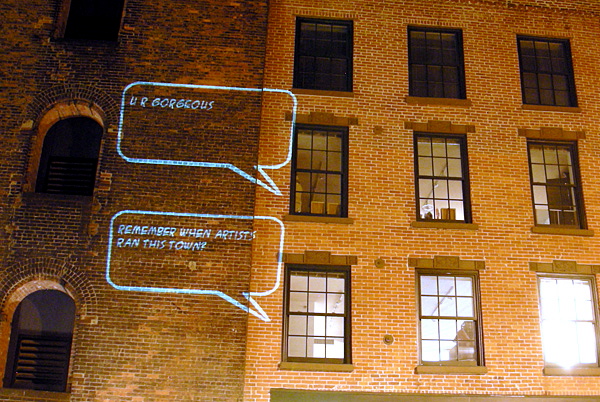
Many lament that mobile phones can isolate us from our immediate surroundings as we walk down the street texting friends and not paying attention. These three different projects are encouraging people to actively engage with what's around them - with and on their mobile phones. TXTual Healing, Amphibious Architecture and Pathways to Housing take regular text messages and turn them into an interactive experience.
Txtual Healing
In 2006, Paul Notzold showed the first presentation of TXTual Healing as his MFA thesis project for Parsons School of Design. The project consisted of speech bubbles projected onto the side of a building; viewers texted in messages to fill the speech bubbles. Since then, the project has been shown around the world, including France, Italy, Romania, the USA, the Netherlands and China.
There are two new projects in India that are taking advantage of the ubiquity of mobile phones and cheap voice calling there in order to get news to rural villagers. Widespread illiteracy makes newspapers and SMS alerts inadequate as news delivery systems, and irregular electricity makes television and radio unreliable. Voice calls are also very inexpensive in India, with per-second billing and a downward price-war among the main operators. Voice calls over mobile phones are an easy way for villagers to stay informed.
In the region of Uttar Pradesh, Gaon Ki Awaaz delivers twice-daily news updates via voice calls to villagers in their native Avhadi language. Launched in December 2009, the project now has 250 subscribers spread throughout 20 villages. Read our case study on the project here.
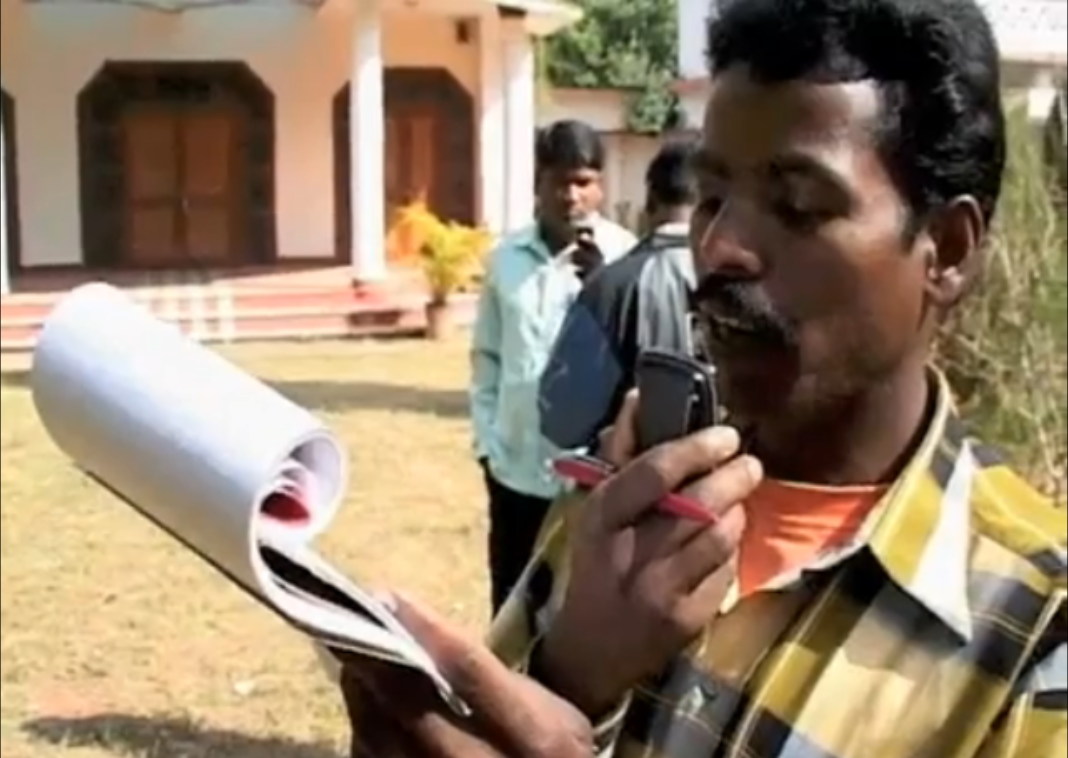
Further south, a similar project is operating among the members of the Adivassi tribe in India. Like Gaon Ki Awaaz, it allows villagers to share and receive news over their mobile phones in their native language (in this case, Gondi). Launched by Shubhranshu Choudhary of the International Center for Journalists, the project focuses on citizen reports with dozens of citizen journalists reporting throughout the region. Watch the video below to see how the project works. For more on audio services, see also our recent scan of projects and tools, Talk to Me: A Survey of Voice-Based Mobile Tech.
These two projects highlight the promise of the mobile phone for targeted news reporting; mobiles can provide cheap, reliable access to hyper-local news that may be more independent than government-controlled media. As mobiles become more common in rural areas, similar projects can provide a way to keep citizens connected.
Anne-Ryan Heatwole is a writer for MobileActive.org
Calling all failures! On April 14 we're hosting the first FAILfaire featuring a close look at ICT and mobile development projects that have crashed, burned, and simply FAILED.
While we often focus on highlighting successes and gains in this field, it's no secret that many projects just don't work - some aren't scalable, some aren't sustainable, some can't get around bureaucratic hoops, and many fail due to completely unanticipated barriers. FAILfaire is a platform to openly and honestly discuss failures so that we can learn from what hasn't worked in the past in order to make our future projects stronger and better.
This is where YOU come in. Have you been a part of a project that flopped? Maybe the project used the wrong technology for its region. Maybe it didn't engage the intended community. Did not take culture, people, or both into consieration. Or maybe the rollout was too rushed. Whatever the reason, we want to hear from you.
A video filmed on a mobile phone made history when it won the George Polk Award for Journalism this year. Not only was it the first video to win in the newly-created videography category, it was also the first video in the Polk's 61-year history awarded to an anonymous citizen journalist.
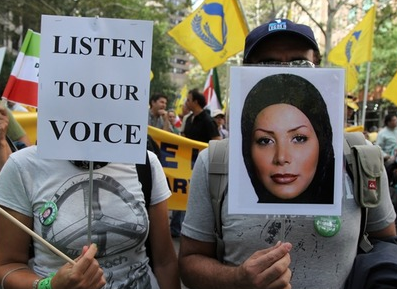
The video shows the death of Neda Agha-Soltan, a young Iranian woman shot and killed during the protests in June 2009 following the Iranian elections. After the release of the video, newsorganizationsaround the world took note. Hundreds of thousands of viewers have seen the video of the young woman's death and it galvanized protests around the world. The press release from the Polk Awards describes the video:
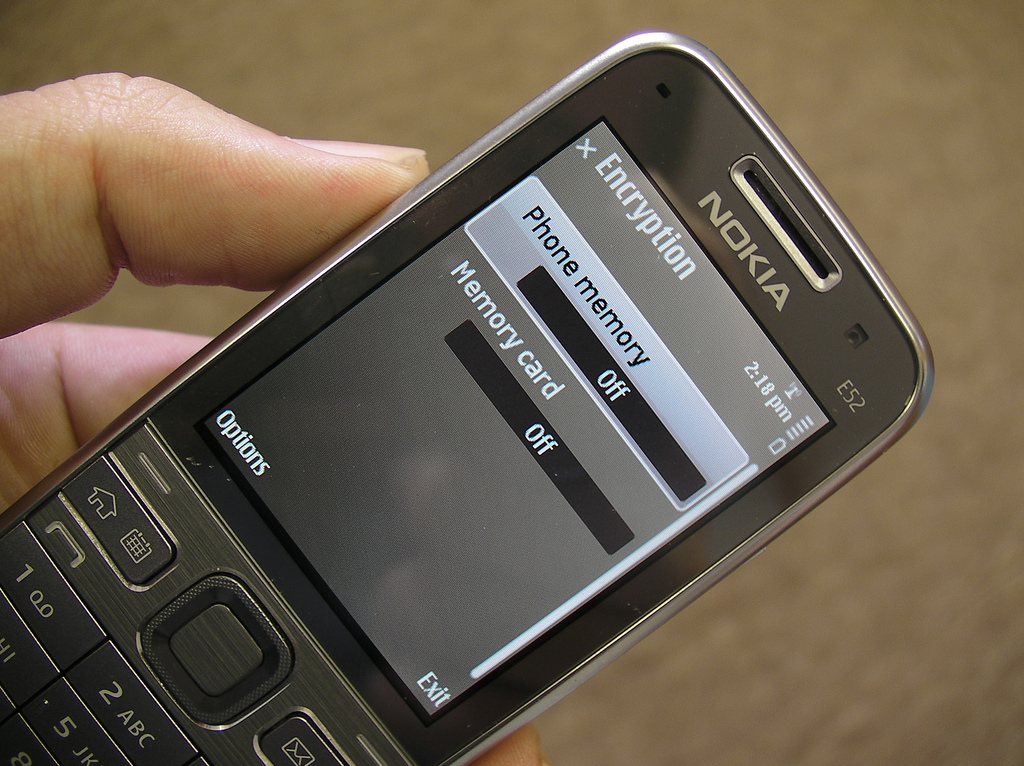
We have been very keen on exposing the security issues related to mobile communications for activists in insecure environments. To that end we have, to date, produced a number of how-to guides that evaluate some of the tools available.
We will continue to pay close attention to this space as there are not enough tools and resources yet for activists and journalists to communicate securely via mobile. If you are aware of other projects or resources, please add a comment!
Note: This is the second of two articles about Mobile Voices, a project based in Southern California. The first post can be found here.
Voces Móviles / Mobile Voices is a Los Angeles-based citizen media project, a collaboration between the Annenberg School for Communication at the University of Southern California (ASC) and the Institute of Popular Education of Southern California (IDEPSCA). Mobile Voices describes itself as "a platform for immigrant workers in Los Angeles to create stories about their lives and communities directly from cell phones. [The project] helps people with limited computer access gain greater participation in the digital public sphere."
The Vodafone Americas Foundation is announcing the last call for nominations for the second annual Wireless Innovation Project, a competition to identify and reward the most promising advances in wireless related technologies that can be used to solve critical problems around the globe. Proposals will be accepted through February 1, 2010, with the final winners announced on April 19, 2010 at the annual Global Philanthropy Forum in Redwood City, California.
Note: This is the first of two articles about Mobile Voices, a project based in Southern California. The second article is here.
Voces Móviles / Mobile Voices is a Los Angeles-based citizen media project, a collaboration between the Annenberg School for Communication at the University of Southern California (ASC) and the Institute of Popular Education of Southern California (IDEPSCA). Mobile Voices is "a platform for immigrant workers in Los Angeles to create stories about their lives and communities directly from cell phones. Vozmob helps people with limited computer access gain greater participation in the digital public sphere."